
Al Ahad Targets Indian Oil
On the evening of October 23, 2024, India's cyber perimeter faced an unprecedented test. At precisely 5:29 PM, cybersecurity monitoring channels lit up with a high-priority alert: a Telegram broadcast from Al Ahad, an emerging hacktivist collective, claimed responsibility for a coordinated DDoS attack on one of India’s most vital national assets Indian Oil Corporation Limited (IOCL).
This was no act of random cyber vandalism. It was a tactically executed operation targeting the digital lifelines of India's energy sector. There were no bombs, no physical breaches just a relentless torrent of internet packets engineered to cripple access and disrupt continuity. In today’s hyperconnected world, this incident didn’t just mark a denial of service it marked the arrival of ideology-driven digital warfare, where geostrategic tensions are now encoded in traffic logs and threat intel feeds.
From the Shadows: Who Is Al Ahad?
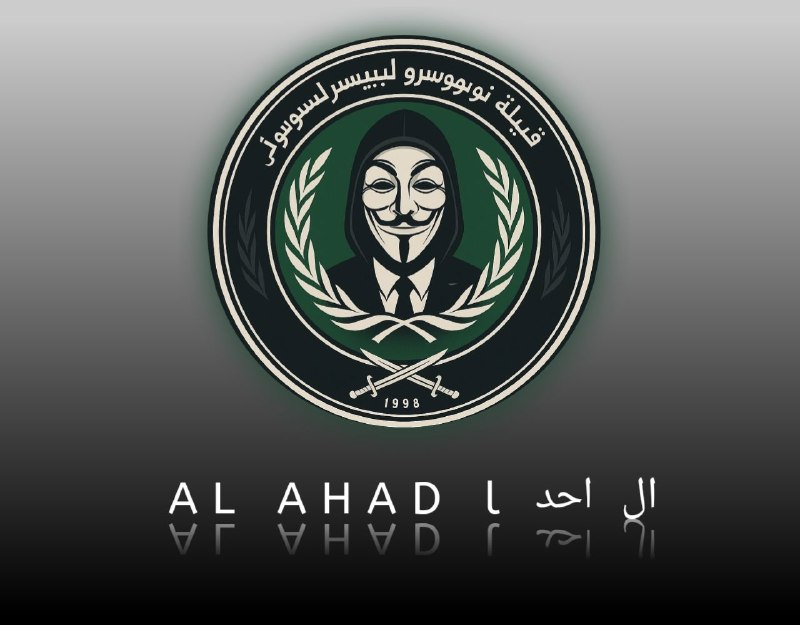
Al Ahad remained absent from open-source reporting until September 2024, but within weeks, the group established itself as a highly coordinated and ideologically driven hacktivist entity operating primarily out of the Middle East. Despite its recent emergence, Al Ahad demonstrated a mature operational posture — aligning strategically with regional narratives and leveraging psychological operations via digital slogans such as:
United for Digital Awakening
We are the unseen voice.
We are the unbroken chain.
We are the digital shield of the Ummah.
You spread terror, we spread truth. Expect us.
These slogans indicate not only ideological cohesion but also a deliberate propaganda strategy, targeting pro-Israeli and Western-aligned entities through symbolic and disruptive cyber campaigns.
Al Ahad has publicly aligned itself with the #HACK_FOR_Humanity initiative — a multi-actor campaign that includes notable hacktivist factions such as Anonymous Guys, DXPLOIT, and a broader coalition branded as the Holy League. The group's operational strength lies not just in technical execution (e.g., volumetric DDoS attacks) but in networked collaboration, narrative synchronization, and amplification tactics.
Notably, Al Ahad maintains close coordination with the Pro-Palestine Hackers Movement (PPHM), ensuring that their cyber operations achieve maximum visibility across Telegram, Signal, and other decentralized communication platforms. This reflects a broader shift from isolated digital disruption to campaign-based influence operations, blending cyber tactics with information warfare.
Why Indian Oil? Why Now?
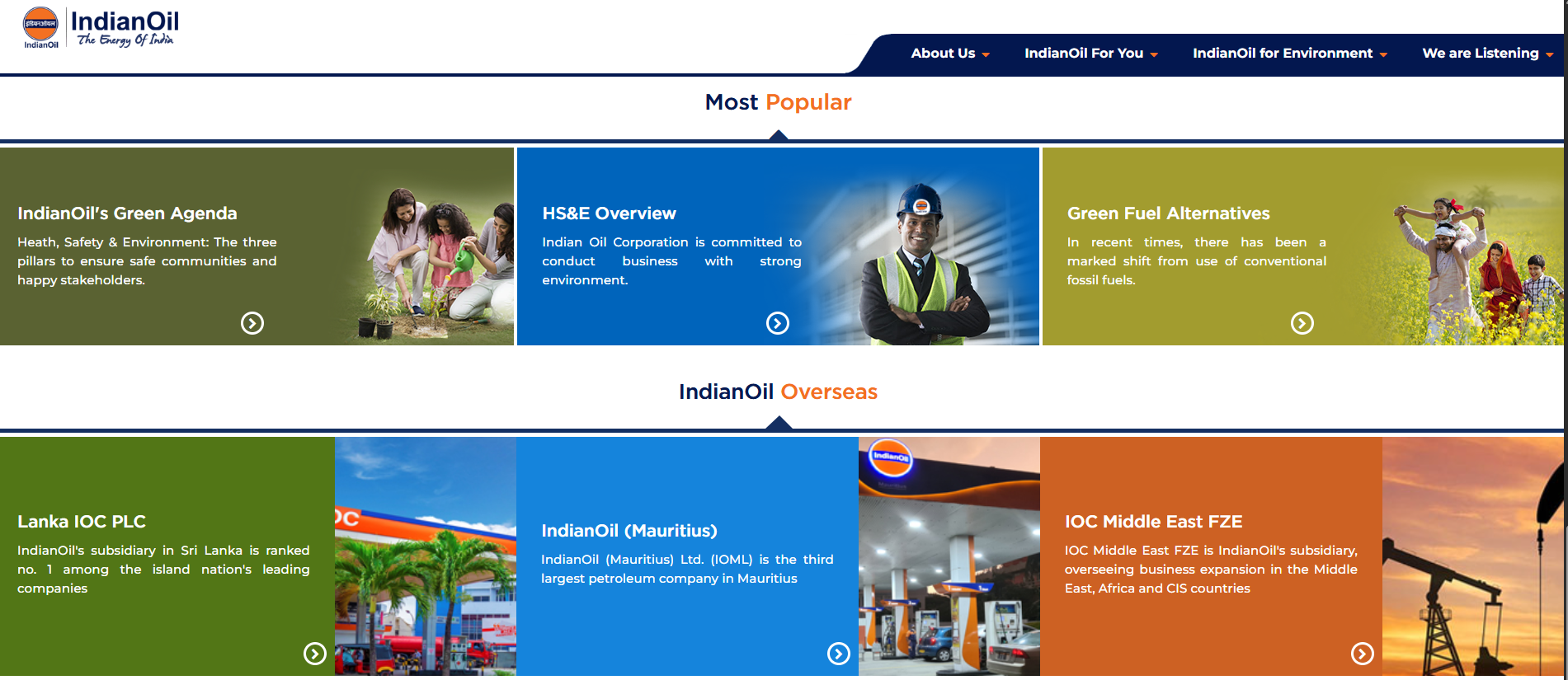
IOCL isn’t just a company ,it’s the lifeline of India’s fuel economy. Operating 11 refineries, with over 60,900 customer touchpoints and controlling a 42% share of India’s petroleum market, it represents the kind of critical infrastructure that can’t afford to go dark.
In recent years, India’s growing diplomatic warmth with Israel has not gone unnoticed. As geopolitical lines hardened following the October 7, 2023 Hamas-Israel conflict, groups like Al Ahad began targeting nations perceived to be siding with Israel. India became a high-profile figure in this narrative.
The attack on IOCL wasn’t just about causing a digital blackout. It was symbolic targeting energy, economy, and national pride. And Al Ahad had chosen its moment well.
The Attack: A Flood, Not a Breach
The method was classic: Distributed Denial-of-Service (DDoS). Servers were flooded with traffic until the website buckled. Legitimate users were locked out, unable to access information or services.
While DDoS attacks don’t steal data or breach systems, they’re loud, visible, and disruptive and perfect for propaganda. In 2024 alone, there was a 70% rise in DDoS activity tied to Middle Eastern political tensions. Al Ahad used commercial DDoS tools to amplify their assault, demonstrating how easily modern cyber disruption can be purchased and deployed.
The attack aligned with a global wave of pro-Palestinian cyber activity , over 65% of which in 2024 specifically targeted Indian organizations.
India: Under Fire in Cyberspace
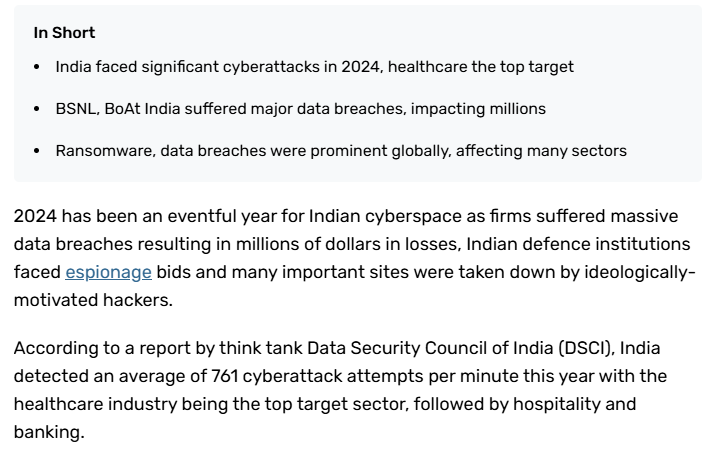
IOCL’s takedown didn’t happen in isolation. In 2024, India was the second-most targeted country globally for cyberattacks. Sectors like finance, telecom, healthcare, education, and government bore the brunt.
Groups such as Ghost of Palestine, KromSec, and Anonymous Arabic launched sustained campaigns against Indian websites and institutions. The attacks followed one thread: digital retaliation for diplomatic alignment with Israel.
While India’s Cyber Crime Coordination Centre (I4C) ramped up its response, the sheer speed and scale of attacks made it difficult to neutralize threats in real-time.
What This Means for Critical Infrastructure
Al Ahad’s assault revealed a few uncomfortable truths:
DDoS tools are cheap and effective, lowering the barrier for ideological cyber warfare.
Hacktivist groups are collaborating more, sharing tech, targets, and tactics.
Energy infrastructure is fragile, not just because of its physical machinery, but because of the digital systems it relies on.
IOCL, like many energy giants, faces a unique dilemma: maintaining complex operational technology (OT) systems while also protecting information technology (IT) assets that are increasingly under threat.
And while DDoS is relatively easy to recover from, the message it sends is hard to ignore.
Recovery and Resilience
IOCL moved quickly. Though details of their response weren’t made public, their digital systems were soon restored. But the attack sent shockwaves through India’s cybersecurity circles. It became clear that incident response and business continuity planning must evolve to meet ideologically driven digital threats.
Lessons from the Digital Battlefield
For Indian Infrastructure:
Invest in advanced DDoS protection and real-time traffic monitoring.
Bridge the IT-OT gap to prevent lateral movement from public-facing systems.
Develop crisis playbooks that include both technical response and public communication.
For Policymakers:
Build international cyber alliances that mirror diplomatic ones.
Increase funding for cyber threat intelligence and public-private partnerships.
Recognize that cybersecurity is now foreign policy.
Looking Ahead
The Al Ahad attack on IOCL wasn’t catastrophic, but it was symbolic and strategic. It reminded us that in 2024 and beyond, ideology travels through cables and routers, not just borders and embassies.
It also exposed how India’s growing global role brings with it an expanded threat profile. The stronger a nation's digital presence, the more it must invest in digital resilience.
In this new cyber era, the weapons may be virtual, but the consequences are very real. The IOCL incident stands as a reminder that even the flow of oil can be disrupted by the flow of traffic that is malicious, intentional and ideologically driven.
And as Al Ahad and others like them continue to refine their playbooks, the question for national infrastructure isn’t "will it happen again?" It’s "Are we ready when it does?"


