The Calm Before the Storm
On the evening of April 26, 2025, everything seemed normal for Zion Oil and Gas Inc. Their website was up and running, operations steady, and communications uninterrupted. But at precisely 8:29 PM, a storm quietly brewed in cyberspace. Without warning, Zion’s website was hit with a flood of traffic so overwhelming that it went dark. Behind this sudden digital blackout was a hacktivist group known as AnonPioneers, and what unfolded was not just an isolated cyberattack, but part of a broader, politically charged campaign.
The Attack Unfolds
AnonPioneers, a collective born from the infamous Anonymous movement, claimed responsibility. Their target: zionoil.com, the online face of Zion Oil and Gas Inc , a company that explores for oil in Israel, driven by a mission rooted in biblical prophecy. The method of attack was a Distributed Denial-of-Service (DDoS) a brute-force tactic that floods a website with traffic until it buckles under the load.
The impact was immediate. The website became inaccessible to legitimate users, effectively cutting off digital visibility. To prove the operation's success, the group posted screenshots from check-host.net, a public network testing tool, and shared further proof on Telegram, the preferred communication platform of modern hacktivists.
Who Are AnonPioneers?
AnonPioneers isn’t just a lone wolf in cyberspace. They’re part of a growing ecosystem of hacktivist alliances. In recent months, they’ve collaborated with groups like RootSec and Cyber Team Indonesia, pooling resources and expertise to amplify their impact. Their mission? Politically motivated cyber activism particularly pro-Palestinian operations and opposition to Israeli policies.
These groups don’t rely on deep technical wizardry alone. They use accessible tools like web-based IP stressors, botnets, and even simple software like LOIC (Low Orbit Ion Cannon), allowing anyone with an internet connection to join their cause. Telegram serves as their megaphone, replacing old hacker forums with fast, encrypted communication.
Why Zion Oil?
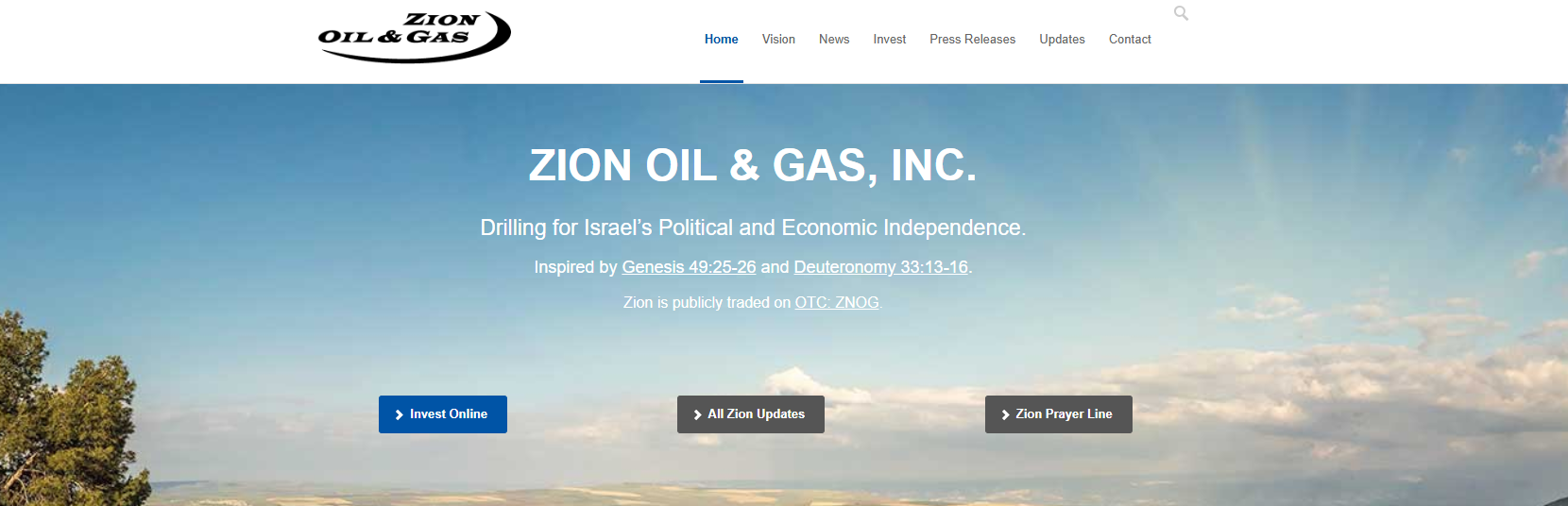
Zion Oil and Gas Inc may not be a giant like Shell or Exxon, but symbolically, it was a prime target. Based in Dallas, Texas, the company holds exploration licenses in Israel, backed by a faith-driven mission to support the country’s energy independence. That Christian Zionist identity, combined with its Israeli footprint, placed it squarely in the crosshairs of hacktivist groups like AnonPioneers.
Though the company doesn’t generate revenue from active oil production, its ideological positioning made it a visible and meaningful target in the ongoing digital tug-of-war rooted in Middle East geopolitics.
Anatomy of the DDoS
DDoS attacks are loud, crude, and effective. This one followed a familiar playbook:
Web stressors that mimic legitimate traffic and overwhelm servers.
Application-layer attacks targeting services like HTTP and FTP.
Amplification techniques that turn small inputs into massive floods.
Tools like LOIC, which allow supporters to join the attack voluntarily.
Check-host.net, while a legitimate tool, served as an unintended accomplice used to showcase and verify the success of the attack publicly.
Bigger Picture: Hacktivism and Energy Warfare
This wasn’t an isolated event. Cyber campaigns like #OpIsrael an annual operation launched by Anonymous-affiliated groups have been targeting Israeli digital infrastructure for over a decade. From BAZAN, Israel’s largest oil refinery, to the Israeli Electric Authority, attackers have repeatedly aimed to disrupt the country’s critical energy operations.
Why energy? Because it’s symbolic, expensive, and critical. Downtime can cost between $5,000 to $10,000 per minute, and even a momentary disruption sends a loud geopolitical message.
What Did the Attack Actually Do?
While the DDoS knocked Zion’s website offline temporarily, the company’s physical operations remained untouched. There was no breach of data, no disruption to oil exploration. But the message was clear: even small energy firms, especially those tied to ideological missions, aren’t off-limits.
For AnonPioneers, this wasn’t about shutting down energy production. It was about symbolism, visibility, and propaganda demonstrating power in the digital sphere without needing bombs or bullets.
What Can Be Learned?
For companies like Zion and others in the energy sector the attack is a wake-up call.
To stay protected, they need:
DDoS mitigation services that filter and redirect harmful traffic
Anomaly detection systems that flag suspicious activity early
Clear incident response plans with tested communication workflows
Network segmentation so that internet-facing systems don’t expose core operations
And beyond the tech? Companies must train their employees, conduct vulnerability assessments, and stay plugged into threat intelligence networks to spot attacks before they strike.
A Sector Under Siege
This attack is a chapter in a larger story: one where energy, ideology, and cyberspace intersect. As hacktivist groups become more organized and collaborative, their targets expand and so must defenses.
From state-level utilities to niche firms like Zion Oil, no one is too small to be noticed. The takeaway is simple: if your mission touches on geopolitics, you’re already a player in the cyber arena.
The Final Word
The DDoS attack on Zion Oil and Gas may not have shut down pipelines or triggered outages, but it revealed the evolving nature of cyber threats in politically sensitive sectors. Hacktivist attacks today are about more than just damage they’re about visibility, narrative, and symbolism.
In a world where online disruptions can ripple through news cycles and investor confidence, the best defense is not just technical it’s preparedness, vigilance, and understanding the story behind the traffic spike.